Ingredients
-
2 handfull Toor dal
-
5- 7 cloves of garlic
-
1 large Tomato
-
1 large onion
-
1 large green chilli
-
8 - 10 Shallots
-
1 whole Drumstick
-
1 whole carrot
-
1 whole Brinjal
-
1/4 tspn Mustard seeds
-
1/4 tspn Jeera
-
1/4 tspn Urad dal (de husked black gram)
-
1 pinch Fenugreek seeds
-
1/2 cup Tamarind extract
-
2 tspn Sambar powder
-
1/4 tspn turmeric powder
-
1 tspn kashmiri chilli powder
-
as per taste salt
-
tiny bit of Jaggery
-
few curry leaves
-
few coriander leaves
-
Enough water
-
3 tbsp oil
Directions

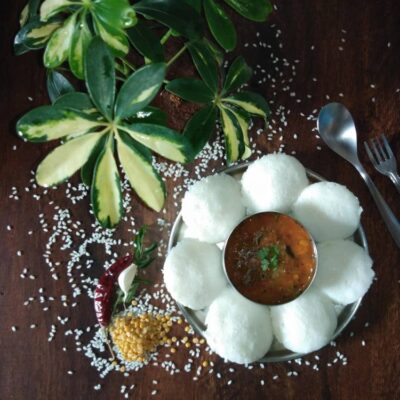
Sambar is a traditional South Indian dish that can be enjoyed with a wide variety of foods like idli, dosa, medu vada, appam, paniyaram, uttapam, rice, pongal, and even bread. Each region in South India has its own variation, making every version unique in flavor.
Even within Tamil Nadu, sambar tastes different from place to place, though the preparation method remains similar. Some well-known variations include Chettinad sambar, Madurai sambar, and more.
- Tamil Nadu sambar—simple and distinct in taste. sweet, spicy, sour and aromatic.
- Udupi sambar (Karnataka) – slightly sweet and aromatic
- Kerala sambar—rich and coconut-based
- Andhra Pradesh sambar—often made with bottle gourd
NOTE:
- There are two types of preparing this sambar, in a pressure cooker method. which saves time.
- Another method is open vessel cooking. Usually people from villages use open-fire earthen stoves. i.e., in a heavy earthen pot, they cook this. that also tastes amazing since it’s being prepared in a traditional way.
PROCEDURE:
Step 1
Take two handfuls of toor dal. Add 5-6 garlic pods in it. Also add asafoetida, salt, vegetables and turmeric powder in it and pressure cook it upto 70%. meaning three whistles on high flame. Vegetables required: Drumstick, carrot, brinjal, tomato, onion, shallots, and Green chilli . Release the pressure from the cooker.
Step 2
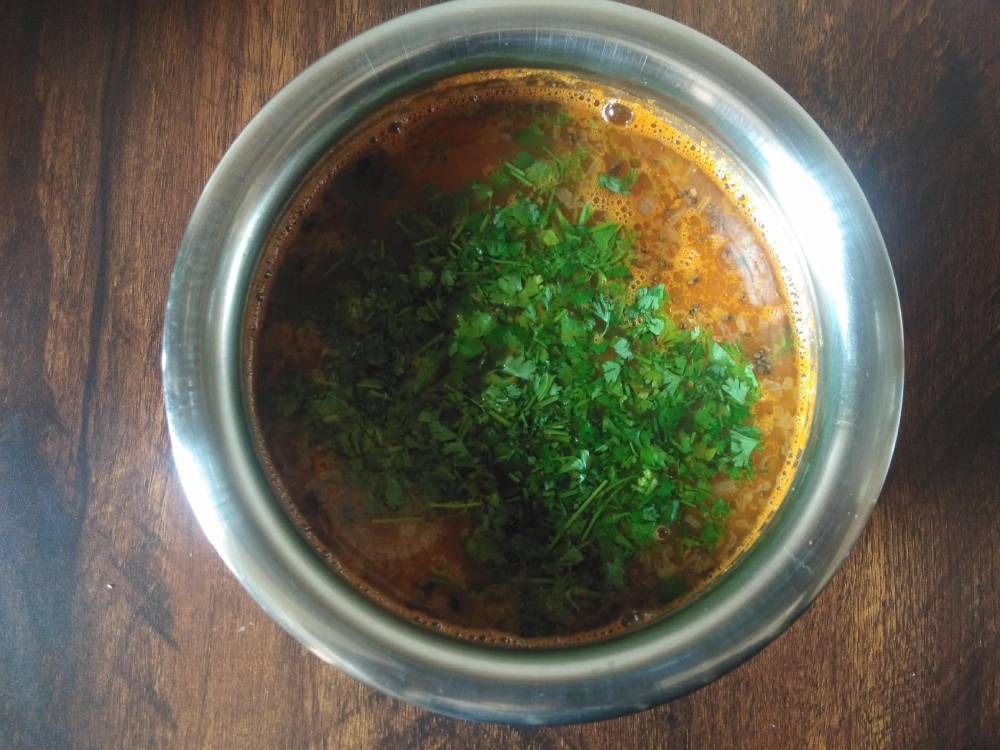
Mix in tamarind water. (Note: Check the taste first because we have already used tomato.) So adjust tamarind water according to your taste. Add sambar + Kashmiri chili powder diluted in water before directly adding it to the cooker to avoid forming lumps. Adjust salt and add a handful of chopped coriander leaves. Add one tbsp of fresh grated coconut and mix it well.
Step 3
Bring a thorough boil and turn off immediately. Don’t let the dal turn mushy because we want that dal taste in our mouth. Do not overboil, else you will lose sambar flavor and dal will tend to catch a smoky taste. It must not take more than 5-7 minutes after you have added the sambar masala. Just bring it to one good boil. I usually add a tiny bit of jaggery to balance the sour taste. Trust me, that mild sweetness is just amazing.
Step 4
For tempering, we need oil, mustard seeds, Fenugreek seeds , black gram (without skin), and black curry leaves. A few chopped onions—fry until golden brown. Add to the sambar. This sambar tastes best with rice since we have used a mixture of different vegetables.
The other type of sambar is just exactly the same, where you can replace it with any one vegetable of your choice. like say, pumpkin sambar goes best with idli/dosa. Shallots sambar goes well with aapam/Pongal. Carrot sambar goes well with medhuvada etc.
Variations
You can also make sambar using just one vegetable:
- Pumpkin sambar—best with idli/dosa
- Shallot sambar—perfect with appam/pongal
- Carrot sambar—great with medu vada
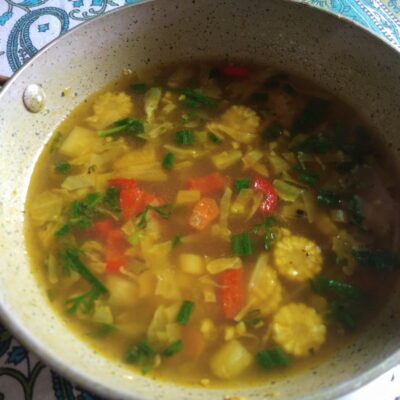
- Mix vegetable sambar—Perfect for rice.
A Bit of History
Sambar is believed to have been relished by Indian royalty as early as the 17th century. Even today, it remains a staple dish served in homes, restaurants, and even internationally—representing the richness of South Indian cuisine.
My Personal Tip
I usually use Aachi sambar powder, which is widely popular in India. They offer a variety of spices and ready-made masalas, and I personally love the taste.
When I have time, I prepare homemade sambar powder that tastes quite similar. But on busy days, this works perfectly.
This is purely my personal preference and not a sponsored recommendation—just sharing what helps me achieve consistent flavor.
I add sugar a bit towards the end for achieving that perfect balance of tamarind water and spice.
Appam Recipe:
Appam Recipe (Tamilnadu style) – No cooked rice, No poha, No coconut, No yeast.