
Discover the Vibrant Folk Dances of Tamil Nadu
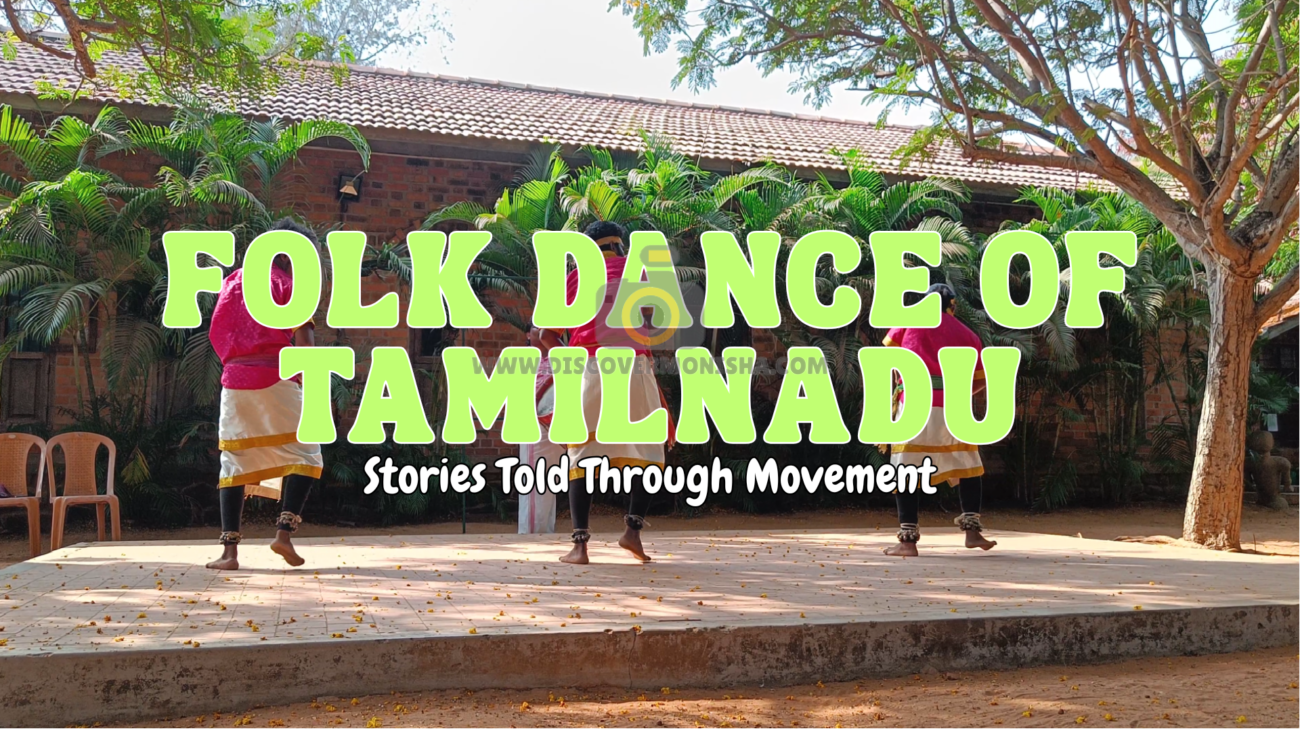
Folk Dances of Tamil Nadu
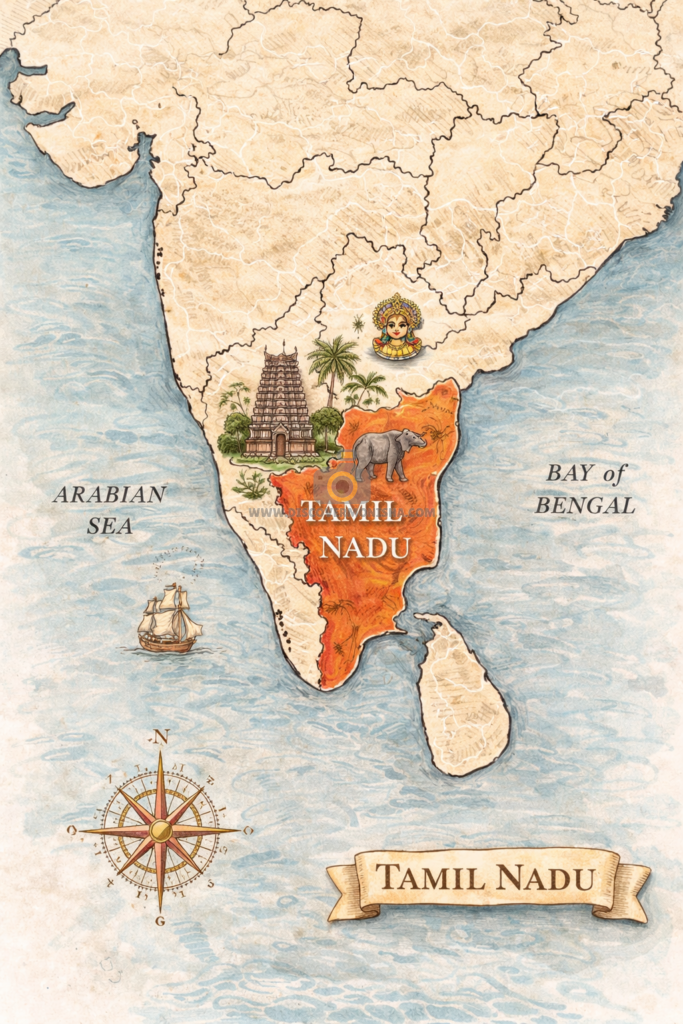
Whenever we speak about Tamil Nadu, most people immediately think of temples, classical music, and Bharatanatyam. But beyond the grand stages and structured performances, there exists another world—the vibrant and earthy folk dances that breathe life into our villages and festivals.
Folk dances of Tamil Nadu are not performed to impress. These dances are performed to celebrate, to worship, to express gratitude, and sometimes simply to gather as a community. They belong to the soil and carry the rhythm of everyday life.
Growing up, I always felt that folk art forms connect people more closely than anything else. They do not demand perfection. They demand participation.
When I recently visited Dakshina Chitra, I happened to witness a folk dance performance that instantly drew my attention. Amid the traditional houses, handcrafted artifacts, and cultural ambience, the rhythm of drums and synchronized movements created an atmosphere that felt both festive and deeply rooted in tradition.
Watching the performance there, in a space dedicated to preserving South Indian heritage, felt different from simply reading about folk dances in books. It was raw, energetic, and filled with community spirit. The expressions, the costumes, the rhythm—everything carried the essence of Tamil Nadu’s village culture.
Tapattam (Thappattam)
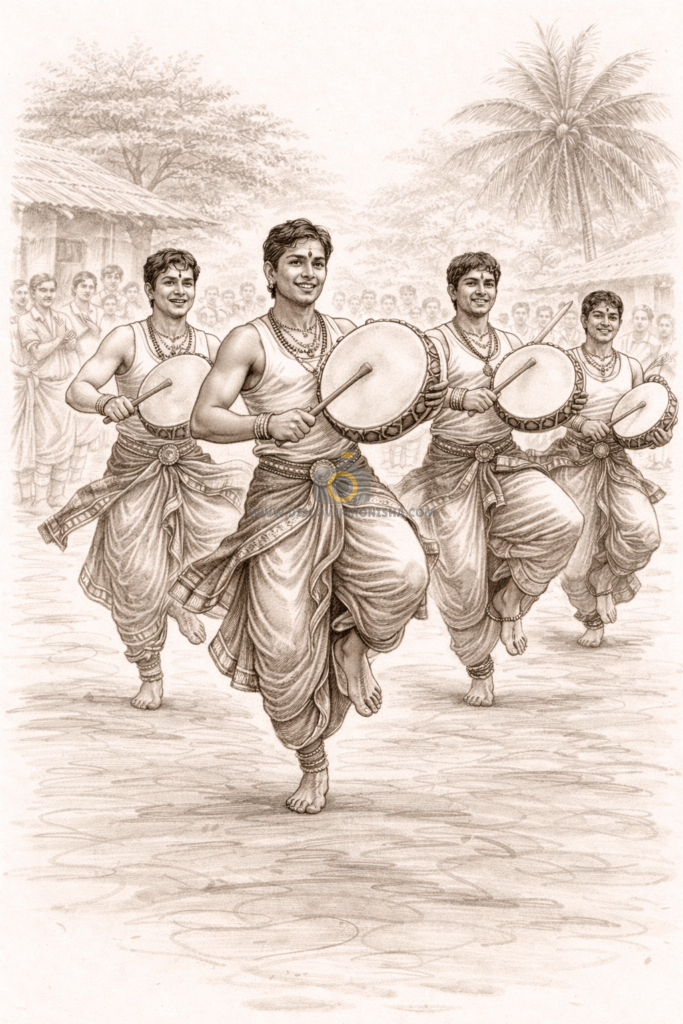
Tapattam is a vibrant and energetic folk performance of Tamil Nadu that revolves around rhythm. The word itself comes from “thappu”—a traditional percussion instrument made of stretched animal skin fixed to a circular wooden frame. The performers carry the drum and beat it with short sticks, creating a loud, powerful sound that instantly draws attention.
Unlike many graceful folk dances, Tapattam is bold and commanding. The movements are sharp, synchronized, and filled with energy. Performers move in circular formations, bending, turning, and stepping in rhythm while continuously playing the drum. It is not just a dance; it is a celebration of sound and strength.
Traditionally, Tapattam is performed during temple festivals, village celebrations, processions, and social gatherings. In earlier times, the drum was also used to announce important news to the village community. Over time, it evolved into a cultural performance representing unity and collective spirit.
When I watched it, what struck me most was the raw power in the rhythm. There is something deeply grounding about the beat of the thappu—it feels like the heartbeat of the soil itself.
Karagattam
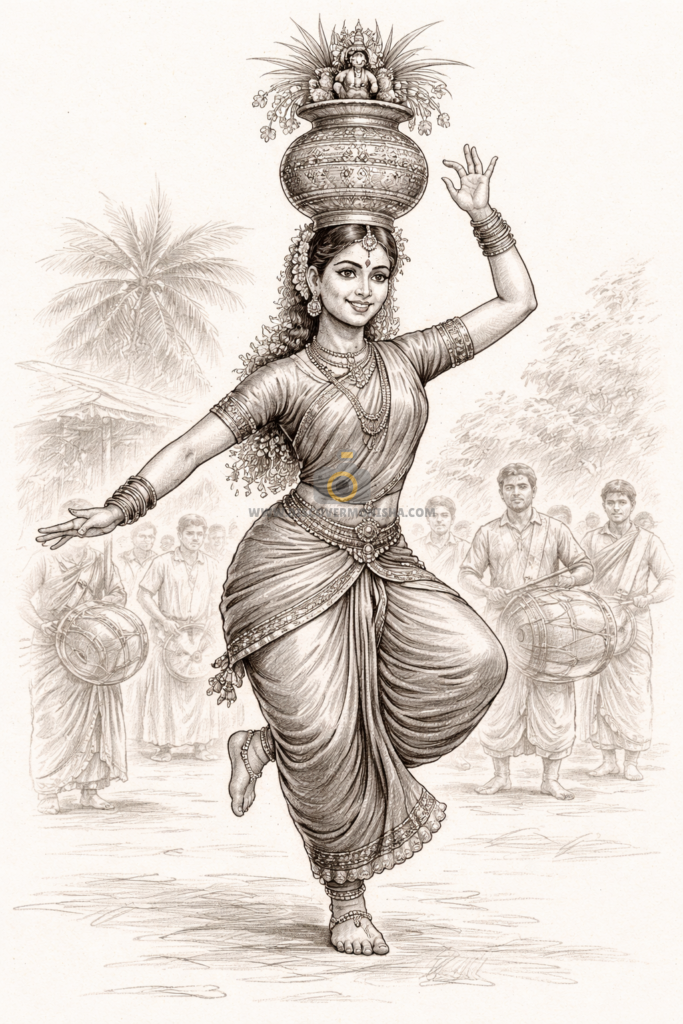
Karagattam was one dance my daughter and I watched together, and it left a strong impression on both of us. The dancer balancing a beautifully decorated pot on the head while moving with such grace and control felt almost unbelievable. There was rhythm, devotion, and immense concentration in every step. It is not just about balance of the body, but balance of faith and discipline.
Traditionally, Karagattam is performed during temple festivals, especially in devotion to Goddess Mariamman, seeking blessings for rain and prosperity. At the same time, in certain regions, it is also performed during funerals—not as a celebration, but as a way of honoring life and guiding the departed soul with dignity. Watching it made me realize how deeply connected our folk arts are to every stage of life—from joy to sorrow—carrying culture through both celebration and farewell.
Kummi
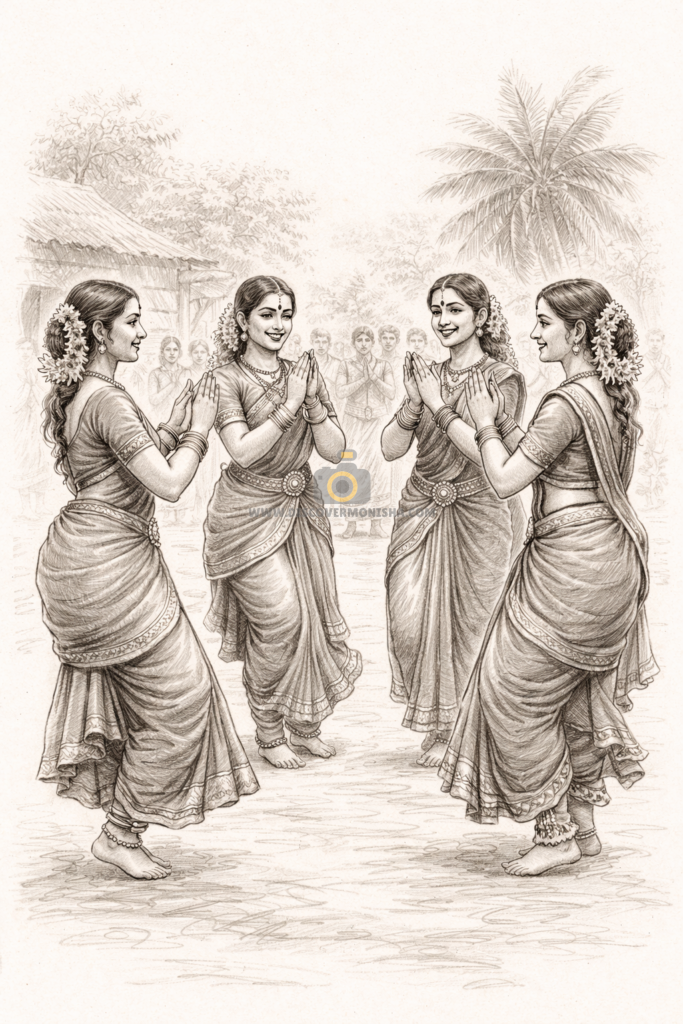
Kummi is simple and powerful. There were no elaborate props or dramatic movements—just a group standing in a circle, clapping rhythmically and moving in sync. The sound of their hands meeting in steady beats created its own music. It felt pure and unfiltered, like a celebration that needed nothing more than people coming together.
Kummi is usually performed by women during village festivals and family gatherings, and watching it made me realize how tradition survives through participation. It does not depend on grandeur; it thrives on unity. Standing there at Dakshina Chitra, I felt that Kummi carries a quiet strength—reminding us that sometimes the simplest forms of expression hold the deepest cultural roots.
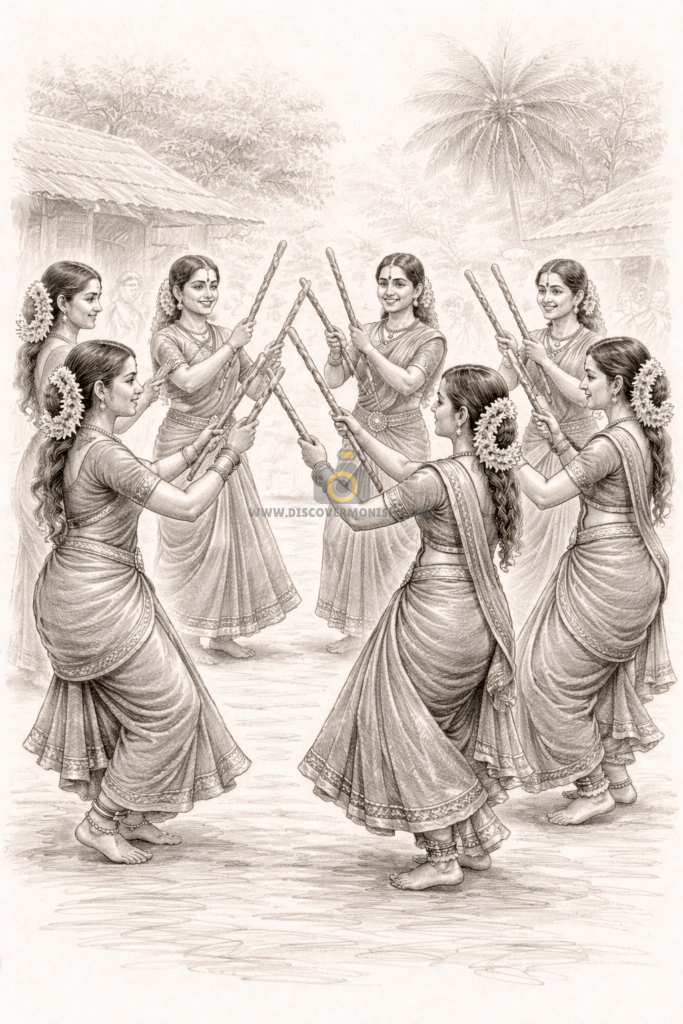
Kolattam
Oyilattam
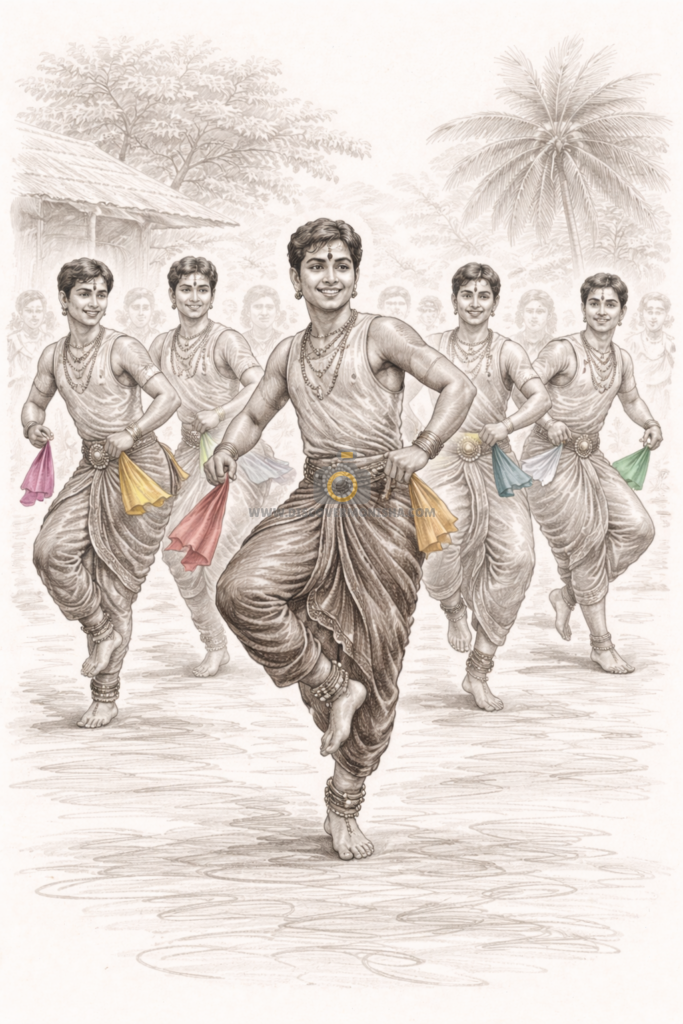
Oyilattam is traditionally performed by men in rural Tamil Nadu and is often associated with temple festivals and community gatherings. The word “Oyil” itself suggests grace, but what I saw was a beautiful mix of grace and strength. The footwork was sharp, the movements synchronized, and the expressions carried pride.
What I loved most was how the dance did not feel overly rehearsed or mechanical. It felt alive. The rhythm of the music, combined with the coordinated movements, created a sense of unity among the performers. It reminded me that folk dances are not just about perfection—they are about participation and collective spirit.
Mayilattam
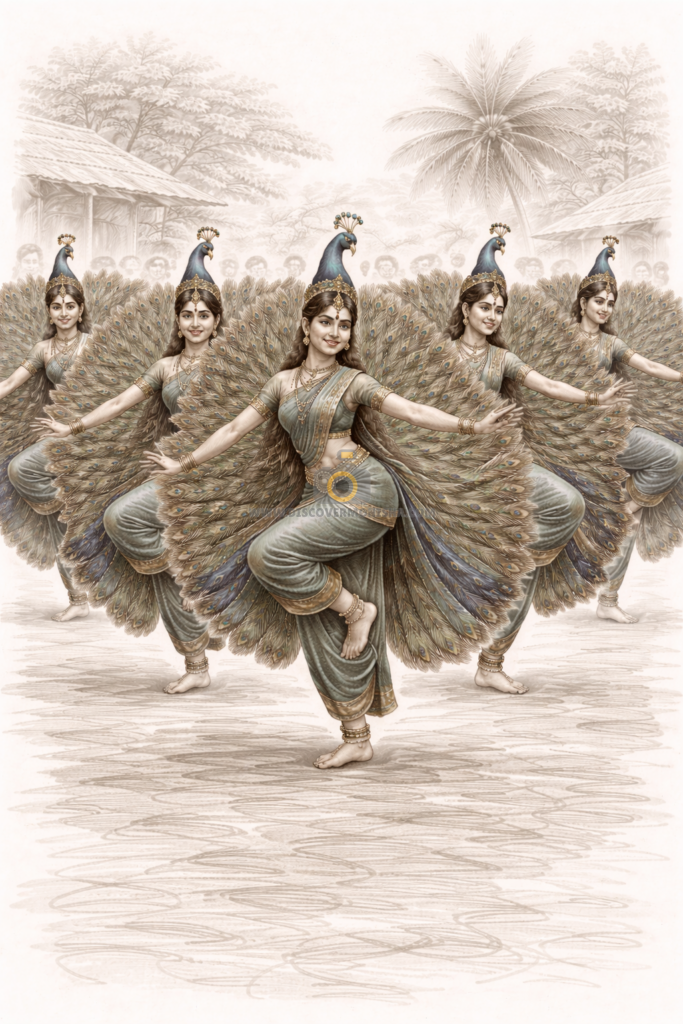
Another performance that caught my attention was Mayilattam, the peacock dance. The moment the dancer stepped in, dressed like a peacock with vibrant feathers and elaborate costume details, the entire atmosphere changed. It was visually captivating.
Mayilattam beautifully imitates the graceful movements of a peacock—the slow turns, the proud stance, and the gentle spreading of feathers. There was a softness in the movements, yet a strong presence in the way the dancer carried the costume. It requires balance, flexibility, and immense control, especially while managing such elaborate attire.
What fascinated me was how devotional it felt. Mayilattam is often performed in temples and during religious festivals, usually in praise of Lord Murugan. Watching it at Dakshina Chitra, surrounded by traditional architecture, made the experience even more meaningful. It didn’t feel staged—it felt rooted.
Why Folk Dances Still Matter
In today’s world, where technology shapes most of our daily interactions, these folk traditions remind us of something essential—community. They teach participation, rhythm, and shared joy.
For children especially, being exposed to such art forms builds cultural awareness in a natural way. It is one thing to read about tradition and another to witness it through movement and music.
Folk dances of Tamil Nadu are not just performances. They are living memories passed from one generation to the next.
“And as long as even one person continues to dance,
That heritage will never fade.”
Sharing some visuals from where we got to experience the traditional folk dance show.