
Health benefits of South Indian food with nutritional value
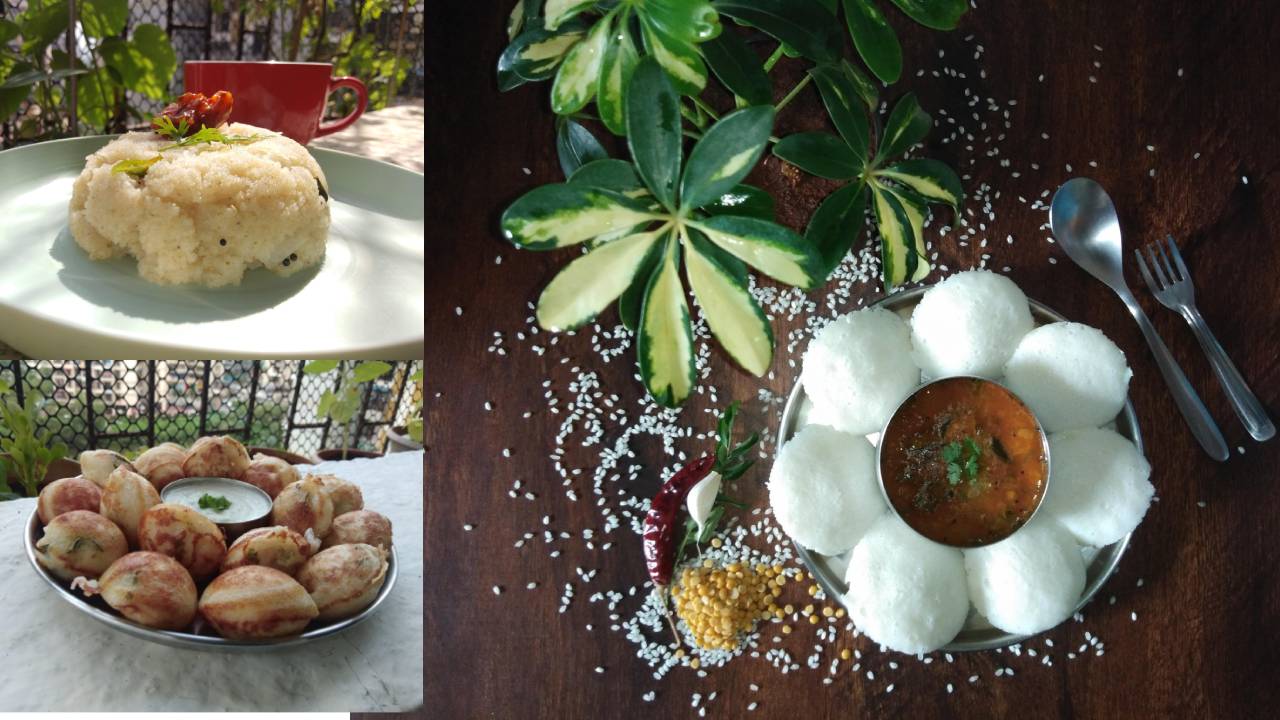
Food feels therapeutic when it looks good and tastes good
Everyone on this earth is proud of their own staple food, and it can’t be replaced with any other. Similarly, being a Tamilian, I am too proud of a few of our staple breakfast dishes. How brilliant of our ancestors that they passed down this food to us. It suits people of any age group. Be it a baby or an age-old grandma without teeth, still they will be able to eat it without any difficulty. South India encompasses 5 different states of India namely – Tamilnadu, Kerala, Karnataka, Andhra pradesh and now Telangana as well. Although South Indian dishes are more or less similar, there is a huge difference in the taste and satisfaction.
South Indian breakfast dishes are light and easy to digest and fully loaded with healthy nutritional values as compared to any other dishes in the country. Maximum health benefits are gained through the South Indian breakfast menu mainly iron, vitamins, protein, zinc, magnesium and folate.
Today I am going to talk about a few major South Indian dishes and their nutritional benefits. Most of the South Indian breakfast is considered extremely healthy, due to which they are steamed and served with lentils or coconut side dishes. Anyone in any situation in their life can eat these healthy meals listed below.
Like if someone is recovering from a hospital, if a baby has just started her solids, or if an age-old grandpa lost his entire teeth. Though people may find it difficult to prepare with batter. But once you have learned it, then you can become an expert in preparing a South Indian breakfast menu for a lifetime.
1. Idli & Dosa
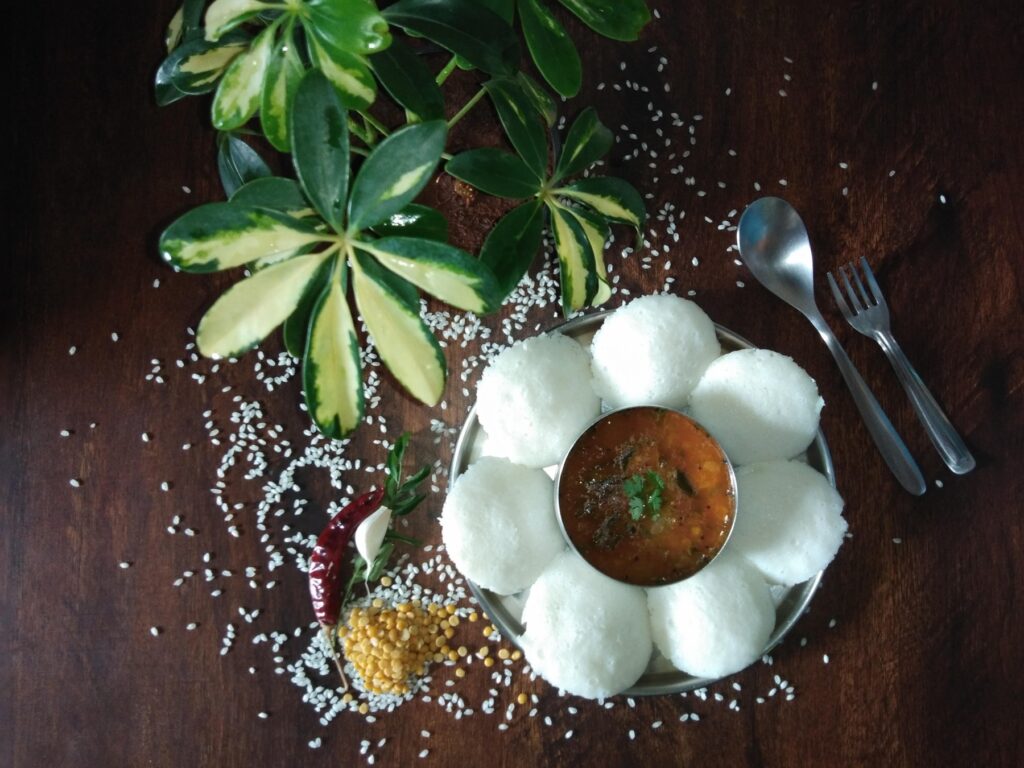
Click here to find out how to make a perfect idli batter recipe.
Idli is a steamed and fluffy cake made of rice and black gram batter. It is not only one of the favourite national foods but also a popular food gaining scores internationally.
It is light and easy to digest. Idli contains no cholesterol, no fat, and no saturated fat.
1 piece of idli contains approximately 40 calories, which is far better compared to other Indian breakfasts, which are around 2000 calories.
Idli is rich in carbohydrates, proteins, enzymes, fats, amino acids and fiber.
Since idli is easily digestible, it is a good source of iron as well.
When idli is served with sambar (lentil curry) or coconut chutney (dip), it becomes even more healthy.
Click here to check out the sambar recipe in the Nellai, Tamil Nadu style.
2. Appam
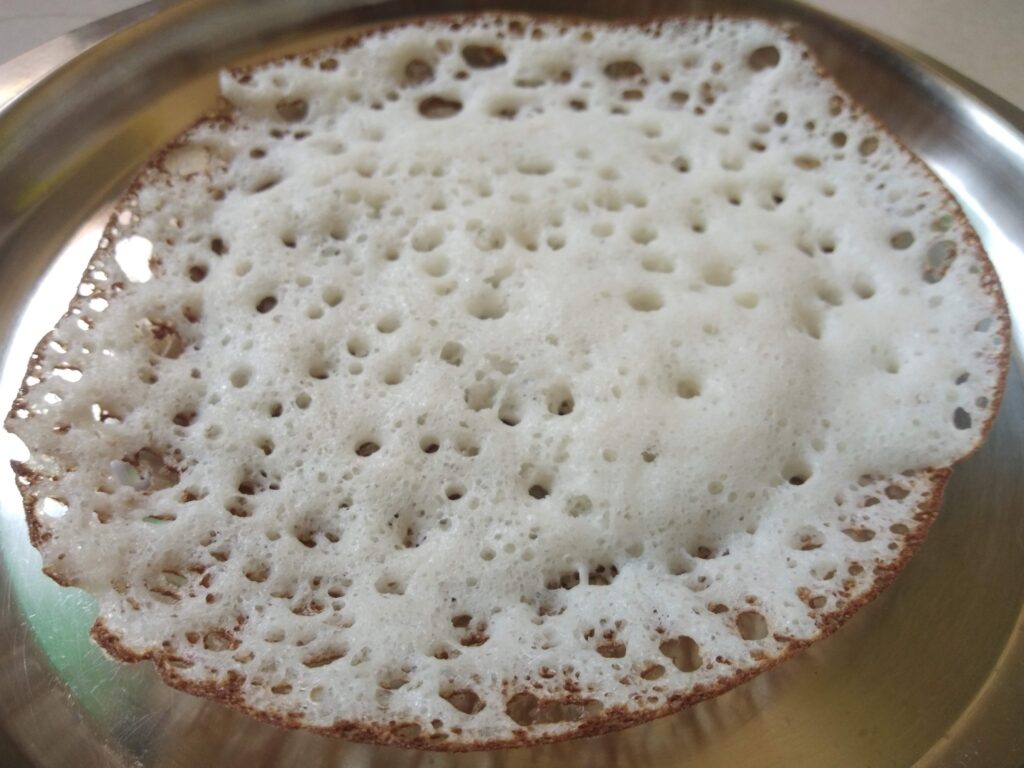
Appam is a very popular dish that people have started adopting in places like the USA, Japan, Africa, etc. It is gaining value globally due to its taste and nutritional value.
Appam is believed to have 120 calories per serving and is a great choice for a healthy, satisfying breakfast.
Appam can be served with lentil curry, leftover tamarind curry, Fish curry and chicken curry. They not only taste heavenly but are also a good source of iron and protein.
When served with coconut as a side dish or coconut water mixed into the batter, it becomes a great source of potassium, which is very good for those with BP issues.
Rice, being the main role in appam, is rich in carbohydrates, which again is good for the body’s energy buildup.
This might not be a good option for diabetic patients to have on a regular basis. One option can be that you can use millet flour along with 50% of appam batter.
3. Medhu vada
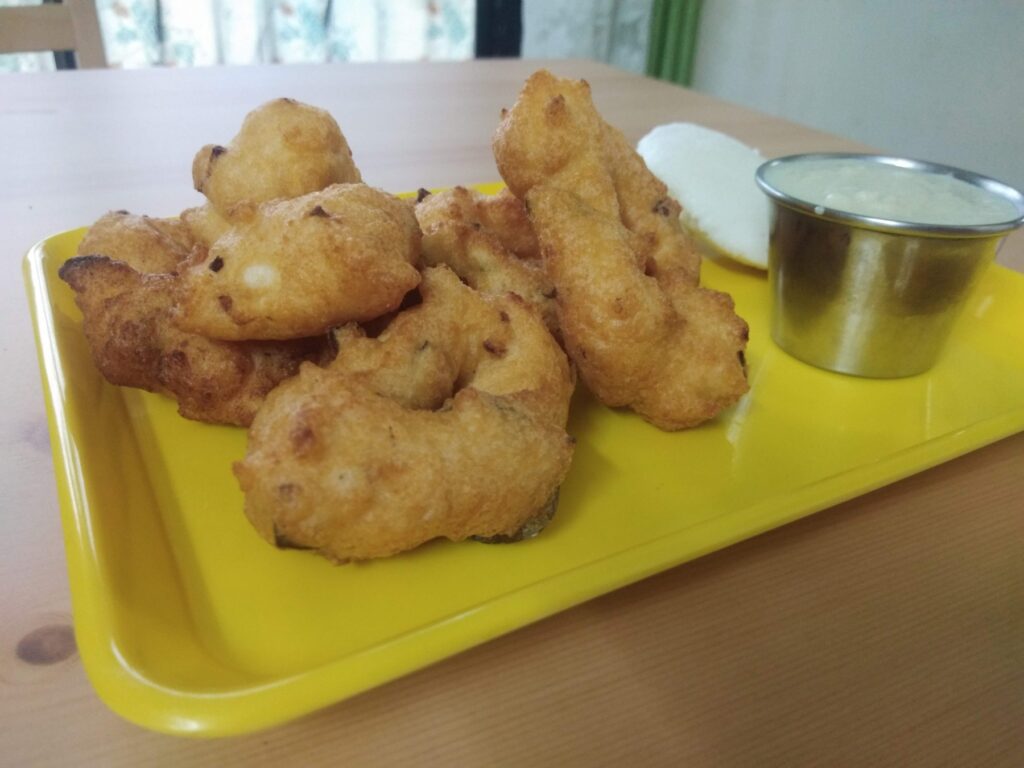
Medhu vada is a popular South Indian dish often preferred for breakfast. It is taken along with Sambar (lentil curry) and Chutney (coconut dip). It is so full of nutrients that it is considered the best food for children to improve bone health and adults for a variety of reasons.
This medhu vada is prepared by soaking black lentils for a couple of hours and grinding them to a thick batter. We deep fry it, which can be a minus point with respect to health concerns, but still the true taste of that crispness is achieved only by deep frying.
There is one option of always preferring homemade medhu vadas, and we can prefer to deep fry in healthy oil such as olive oil or sesame oil.
This dish is fully loaded with iron, folic acid, calcium, magnesium and potassium. There are an average of 330 calories per plate (mostly 4 medium-sized vadas) of serving. It has approximately 15 grams of carbohydrates per vada serving.
It is very rich in folic acid; as such pregnant women and lactating women are often asked to add as much black gram into their diet.
4. App
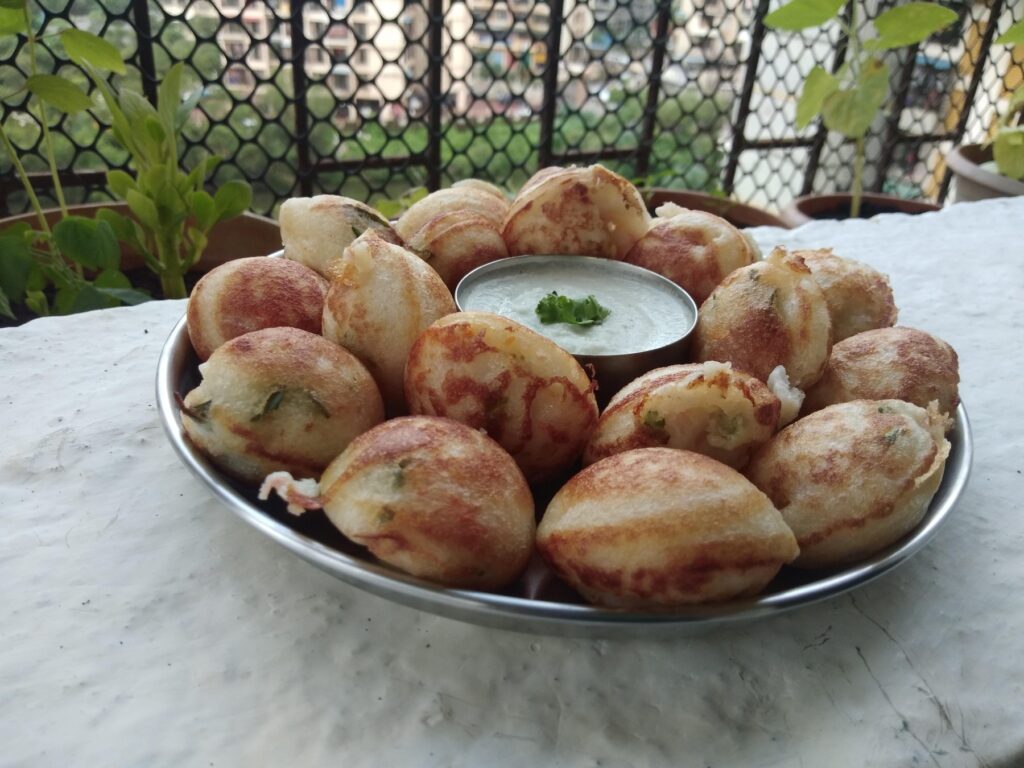
Appe (also known as paniyaaram, paddu, guliappa, gulittu, yeriyappa, gundupongalu) is another popular South Indian dish that is made up of leftover idli batter, or we can specially make batter for appe as well. There are two types of appe: one is spicy-salted and another one is sweet, where we use grated coconut and sweet country jaggery in the batter.
Most of the dishes in South Indian cuisine are very easy to digest, light and comforting, which makes it an all-time favourite for people around the world.
There are two popular appes, mainly made of either moong dal or rice, that go while preparing batter. Moong dal appe is protein-rich, while rice appe is carbohydrate-rich. Rice being rich in carbs, the rice version of appe provides magnesium, selenium, iron, folic acid, manganese, phosphorus, thiamine, niacin and omega-6 fatty acid.
Since urad is common for both versions of the app, it provides a good portion of iron, folic acid, calcium, magnesium, potassium and B group vitamins. It is high in fiber and less in cholestrol.
Appam is prepared in a special appam chatty, and there is no substitute for this cooking chatty.
5. Paruppu vada (Lentil nuggets)
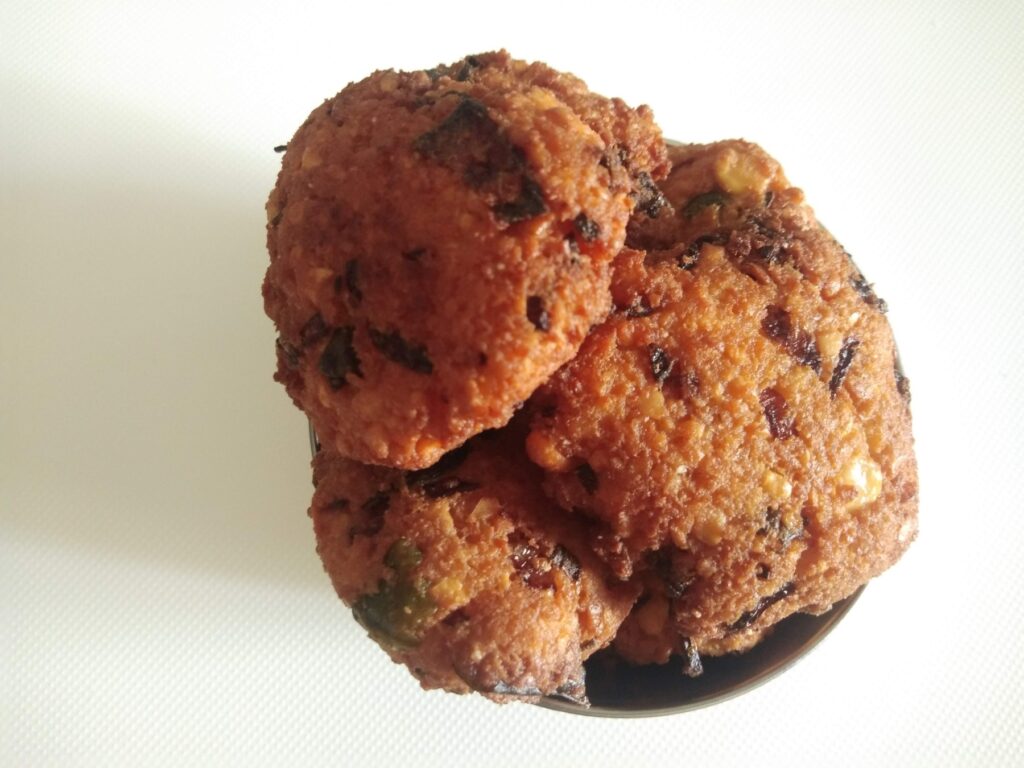
Paruppu vada is a very popular South Indian delicacy and is equally nutritious. Since it is made with lentils, it serves an ample amount of protein.
Made of chana dal, onion, ginger, coriander leaves, curry leaves, and green chilies. One 100 g serving of dal (lentils) gives you an average of 30% of the protein required for a day. The onions being used in a huge amount are rich in antioxidants, phytochemicals and vitamin C. Raw onions are good for our heart health too.
There are approximately 91 calories of energy, 3 grams of protein, 6 grams of carbs, 1.5 grams of fiber, and 6 grams of fat per vada serving, which makes a maximum sufficient amount of nutritional diet intake of the day.
6. Vegetable Upma (Veg rawa salted pudding )
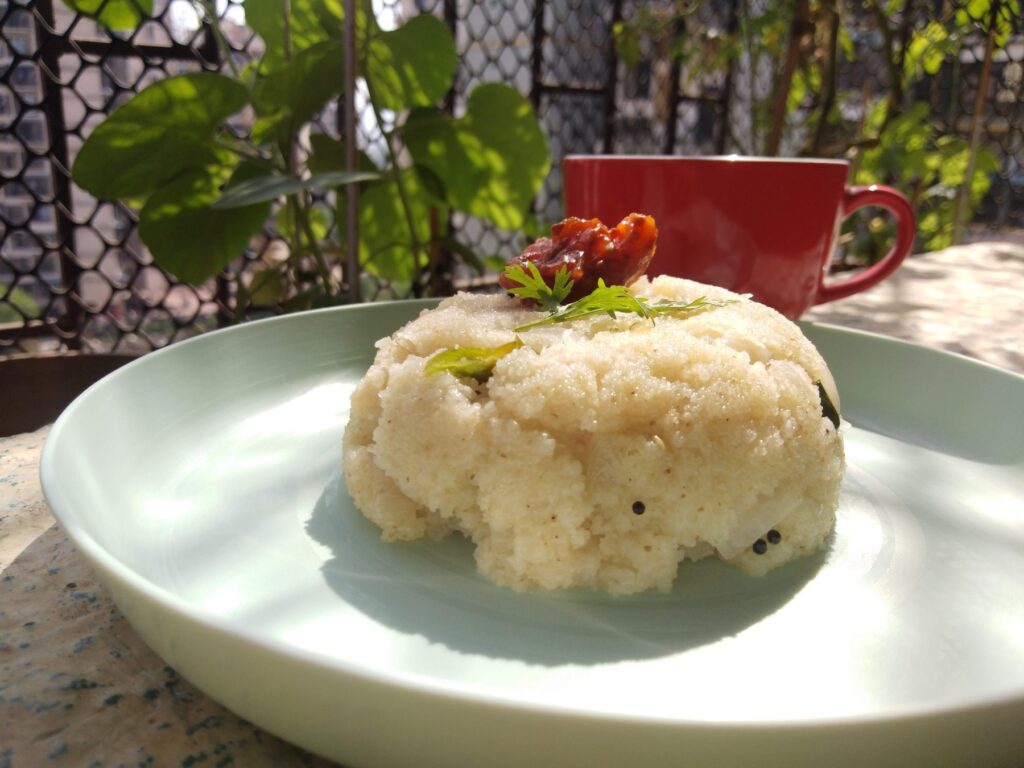
Rava is nothing but a product obtained by grinding wheat. Some varieties are finely ground while a few are coarsely ground. Rava is used in Indian dishes with a lot of variety, and every dish tastes equally good.
Like Rava Upma, Rava dosa, Rava oats idli, Rava Sheera, Rava Potato Nuggets, etc.
A bowl of Rava upma is fully loaded with fiber, vitamins and healthy fats. It has the least level of cholesterol and calories, which makes it suitable for people of any age group.
Rava upma mixed with vegetables makes it even more healthy, thereby making it an iron-rich dish.
This dish is not only easy to digest but also provides you with minerals that can fulfill your nutritional requirements on that day.
Wheat rava is further very good for our bone health since it has minerals like magnesium and zinc.
Adding dry fruits while making a sweet dish called sheera gives you a nutritious portion loaded with minerals, protein, fiber and vitamins. And clarified butter, often called ghee in hindi improves immunity and bone development and provides an ample amount of nourishment.
7. Vegetable Semiya (Vegetable semolina)
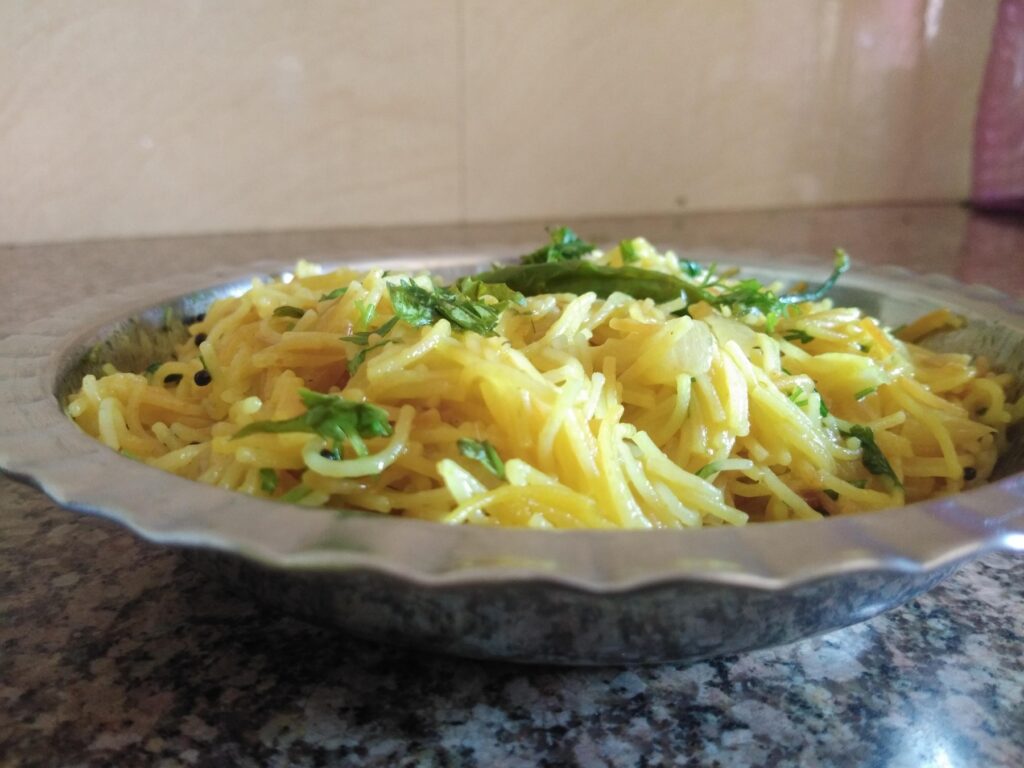
Semiya, Shevaiya or Semolina or vermicelli, are again the same family of Rava as mentioned above. It holds almost similar nutritional value like rava/sooji.
It is a popular South Indian tiffin menu; we call it for breakfast, and it can be easily available in any hotel. “Semya Upma” is a common term referred to for this dish throughout South India.
Semiya upma is rich in vitamin B1, which is good for our nervous system. It is good in carbohydrate content as well. Semiya upma serves as the best food for defending the body against cold and cough.
Since this entire dish is brought together by adding vegetables and curry leaves and Indian spices it holds a multi-nutrition on a whole like vitamin C, iron, antioxidants, antibacterial, fiber, folate and ascorbic acid if lemon juice is used in the dish.
On the whole, it is a good choice for breakfast on a weekly basis and helps you keep active and immunity enriched.
8. Rava Oats Idli
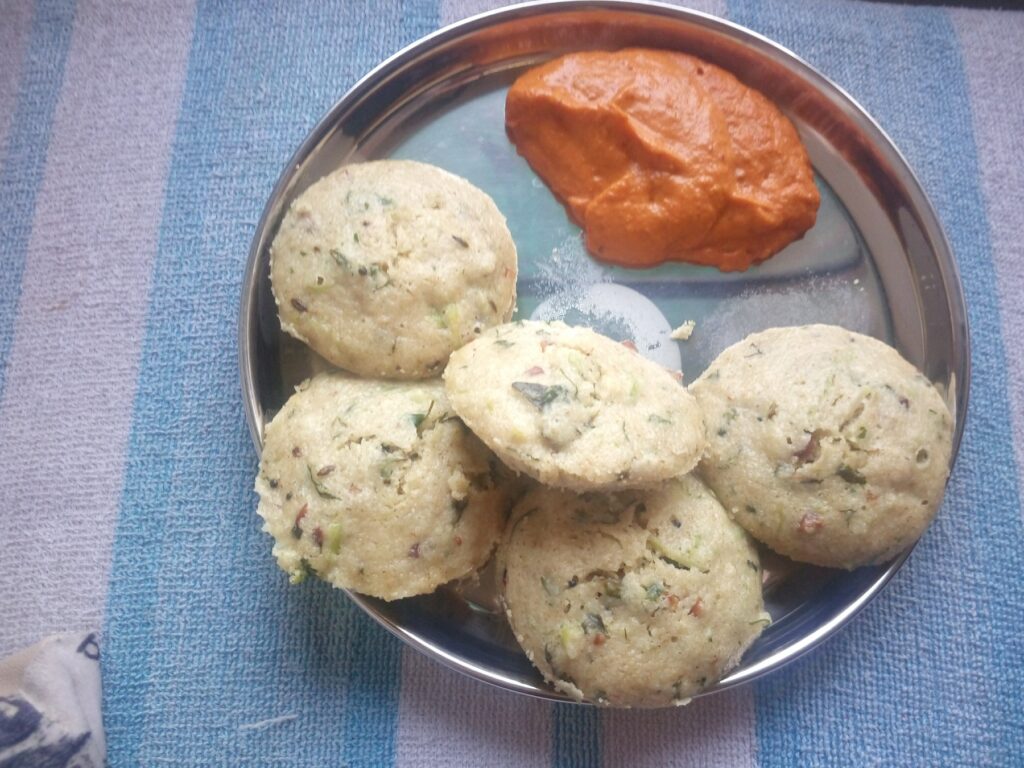
Oats is a type of cereal that may have originated in East Asia but has been widely cultivated in the European region for quite a long period of time by now. Rava originated in India and is widely used in a lot of dishes. In a very recent period of time, this combination of Rava Oats Idli gained popularity.
It is an instant, soul-satisfying food that is nutritious and easy to prepare within 30 mins or less.
One serving of rava oats idli contains approximately 50 calories, out of which the carb value is 23 calories, proteins are 7 calories, and the remaining goes into healthy fats, which is 10 calories.
You can refer to the nutritional information provided above—under the category Rava Upma.
Rava Oats Idli may not be called a 100% healthy food since it is made of rava and oats solely, which lack protein. But by adding vegetables and the amount of curd used here, we can still call it healthy upto some extent.
Oats are rich in fiber and help reduce blood pressure levels. It also has minerals like magnesium and zinc, which are good for hearts and brains. Curd is the best source of probiotics and calcium that is good for your gut and bone health, respectively.
Vegetables like carrots, beans and capsicum serve vitamins, minerals, potassium, zinc and iron. On the whole, one rava oats idli provides about 2 percent of the total daily calorie requirement for a standard adult diet.
PROBLEMS OF DEEP FRIED FOODS
Any deep-fried foods are not considered good for healthy living. But we can prefer deep frying in olive oil or sesame oil or cold-pressed groundnut oil. Having it once in a while won’t cause much harm, but taking all necessary steps to eat deep-fried food can minimize the effect of the aftermath.
When it is homemade it is best and will not cause much trouble in a way. Always remember not to sit still or take a nap right after having any kind of deep-fried foods. This might cause acidity or indigestion issues for many grown-ups at times.
The fat level increases when the food is deep fried. When we use the same oil for reuse, then the smoking point decreases, which leads to the development of blue smoke.
This increases inflammation within our body and deteriorates the fat-burning process inside of our system.
Any deep-fried food will alter our blood sugar level, so a diabetic or BP person needs to be very careful while consuming it.
Explore some of my recipes that are just from a homecook’s kitchen: – Authentic and soul-satisfying
-
Sambar, Bhindi & Potato fry, Payasam -South Indian Thali
-
Egg gravy with Jeera rice | Indian-style Egg masala
-
Curd Rice With Okra Fry | Comfort Food Recipes | Quick Dinner Recipe | Quick Lunch Recipe
-
Jeera Rice with Mixed Vegetable Gravy | Indian meal platter
-
Cauliflower fried rice—Indian style

Nice explanation. South Indian breakfast r best
Thank you. hope you enjoyed it.
Amazing! Its truly awesome post, I have got much
clear idea on the topic of from this post.
Thanks for your appreciation
Thanks on your marvelous posting! I truly enjoyed reading it,
you happen to be a great author.I will always bookmark your blog and may come
back at some point. I want to encourage you to continue your
great writing, have a nice weekend!