
Best Educational Toys for children
Mothers have got a pivotal role in raising the child hence it is very crucial that all mothers take extra effort in understanding the right needs for their child.
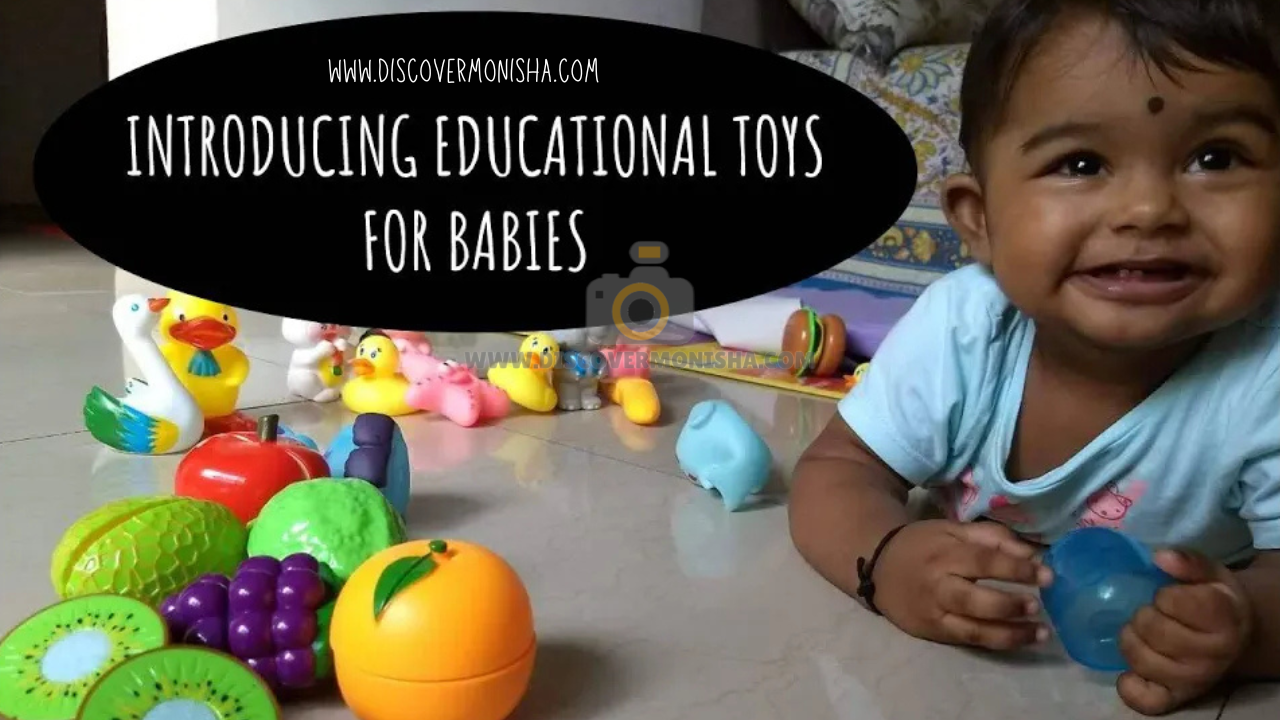
A Healthy Mind Reflects a Healthy Soul
Hello, new parents and soon-to-be parents out there…
This article is about how to introduce the right toys to children between 7 and 24 months and the benefits of doing so.
There is no doubt that every new parent today is constantly searching for answers to the question, “How do I become a good parent?” And of course, who doesn’t want to be the best parent they can be for their little one?
I may not be a perfect mother either, but I have always tried to learn from every new day and understand what I can do better in order to become a wiser parent. I am writing this article after practicing these ideas with my daughter, who was two and a half years old at the time I wrote this in June 2020. These practices genuinely worked for me, and I wanted to share a few things I learned with all the new mothers out there.
During my time, I didn’t have anyone to guide me or help me understand these things in the way I have learned them today. That is one of the reasons I wanted to put my experience into words.
I have always felt that every mother should keep herself updated with every generation. We need to make thoughtful choices in everything we do for our children, whether it is choosing their diapers, their toys or the activities we introduce to them.
Anything that contributes to shaping a child into a confident and capable individual deserves our attention, don’t you think?
(A) So, Let’s Start With the Smaller Things First
One of the first things I believe we should practice while raising a child is to observe, appreciate and constantly let them know how special they are.
These simple things can help a child develop inner strength and confidence, which is so important while growing up. You cannot suddenly create a wise and confident person within a short period of time. It takes years of patience, consistency and dedication to raise a confident individual.
(B) A Quick Overview of Baby’s Motor Development Skills
Babies begin developing their motor skills from a very early age, with noticeable development starting around the first few months. There are two main types of motor skills: (1) fine motor skills and (2) gross motor skills.
Fine motor skills involve the smaller muscles and movements, including eye-hand coordination, finger movements and grasping.
Gross motor skills involve the larger muscles and coordination of the head, neck, arms, legs and body. Activities such as lifting the body, crawling, sitting, walking, running, jumping and throwing are all part of gross motor development.
The period from around 4 months to 24 months is particularly important because children are discovering what their bodies can do and developing new physical abilities every day. It is a wonderful stage to encourage them through age-appropriate activities and give them opportunities to explore and understand their own movements.
MOVING HANDS AND FINGERS STAGE
4+ MONTHS ONWARD
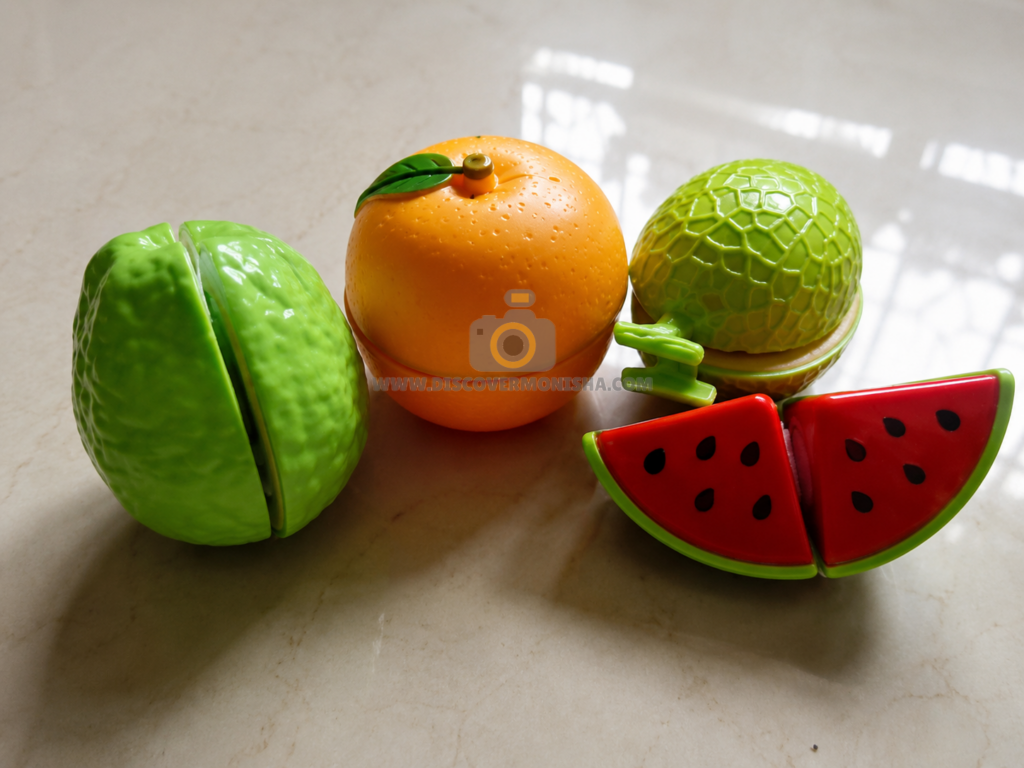
Once your child starts moving their hands freely, you can begin introducing objects that are easy and comfortable for them to hold. This encourages hand and finger coordination and gives those small hand muscles an opportunity to develop. At this stage, their movements gradually become more coordinated as their brain and muscles learn to work together.
1. Pull-and-Stick Toy
There is no hard-and-fast rule that you have to introduce this particular toy to your child. What matters is the function of the toy and how it encourages the kind of hand and finger movements I mentioned above.
The one I used was lightweight, durable and made from good-quality food-grade plastic. It has been two and a half years since I bought it, and trust me, there isn’t even a single crack on it yet.
There are many imitations and similar-looking products available in the market, but when you are introducing toys to young children, make sure you choose products made from good-quality, child-safe materials.
EARLY CRAWLING STAGE
6+ MONTHS ONWARD
Once your child starts making efforts to lift their body off the ground, it is time to roll up your sleeves! Yes, they are going to need extra energy and nutrition as their little body becomes more active.
This stage is important for developing hand-to-leg coordination. As their body starts moving, they also begin to observe, understand and develop curiosity about everything around them. Their growing movements and curiosity can be encouraged through some very simple activities.
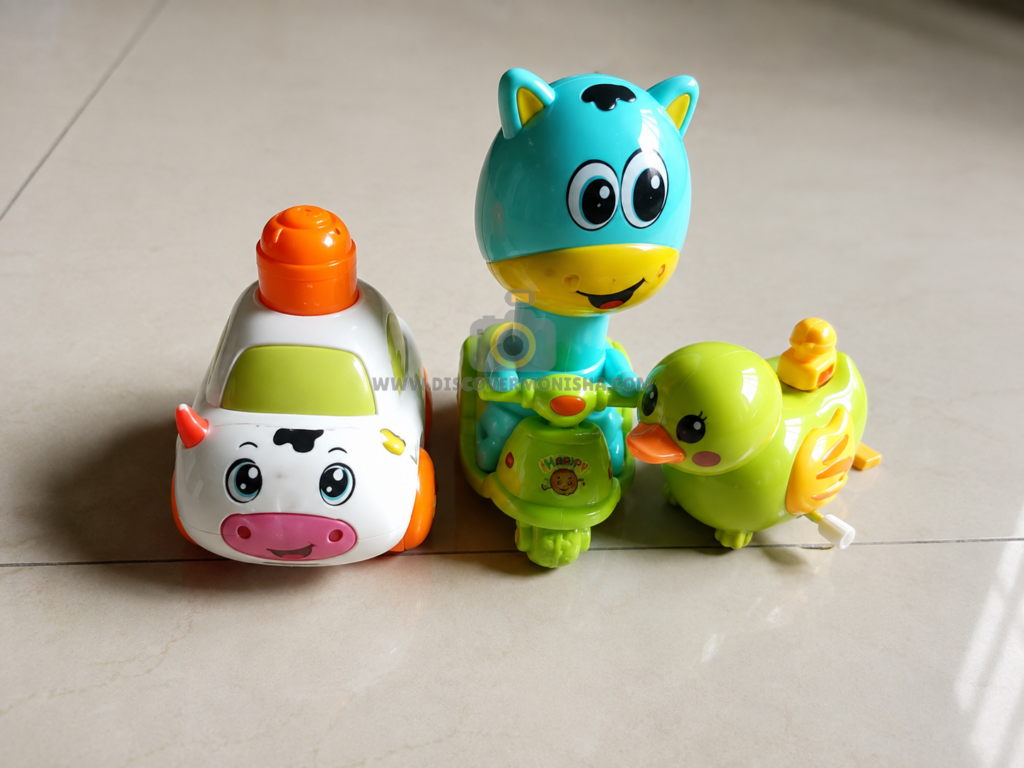
2. Key Toys or Motion Toys
Key toys are simply toys that move when you wind or key them up. There are hundreds of options available in the market, and you can definitely build a collection over time. But I prefer introducing one toy at a time.
Doing this gives your child a chance to observe what the toy does and become curious about its movement. They begin to notice that this is something different from what they have been seeing around them every day.
You can also keep them engaged with this little activity for some time while you finish preparing a meal or put the laundry out to dry.
Hahahaaa… every new mom knows how precious those few extra minutes can be!
EARLY SITTING STAGE
10+ MONTHS ONWARD
Babies have an amazing ability to observe and grasp things quickly. At this stage, you may be surprised by how much they are able to remember and understand, even though they may not yet be able to express it verbally.
I believe it is good to introduce them to new concepts gradually and consistently, allowing their little minds to become familiar with them and learn at their own pace.
This is when I started introducing phonics, alphabets and numbers to my daughter. Obviously, she couldn’t repeat everything back to me, but that didn’t mean she wasn’t listening or absorbing what I was teaching her. I simply kept repeating these concepts every day.
When my daughter was around 12 months old, she had started recognizing the letters A, E, I, Z and J when they were shown to her on paper.
I was honestly surprised because I felt she was recognizing these letters quite early. Every child develops differently, of course, but this experience taught me not to underestimate how much little children can observe and absorb even before they are able to speak.
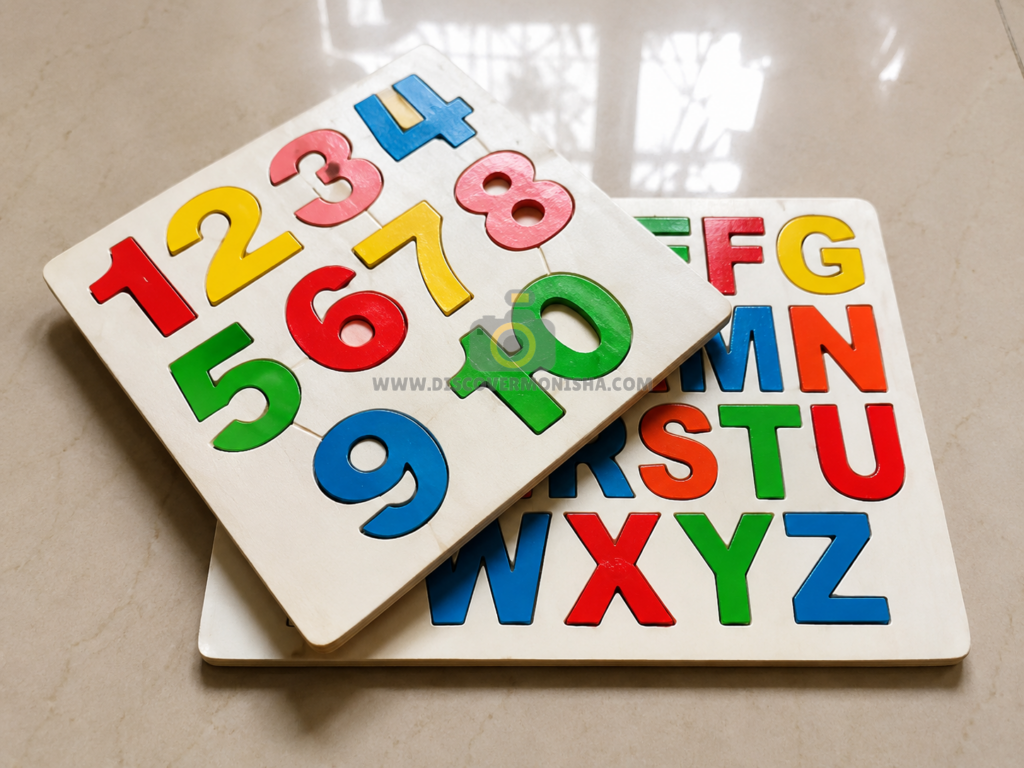
3. Alphabet and Number Puzzle
This is a very handy and simple activity to introduce children to alphabets and numbers. The puzzle I used was made of wood and was easy for little hands to handle.
You can sit with your child and introduce the letters and numbers gradually, asking them where each piece should go and encouraging them to figure it out on their own. It can be a simple way of combining learning, observation and hand-eye coordination.
Most importantly, I would never recommend leaving a young child unsupervised with any toy or small object. At this age, children naturally explore things by putting them in their mouths, so there is always a risk of choking or injury.
The safest way to introduce any toy or learning activity is to sit with them, participate and keep an eye on them throughout.
UNDERSTANDING COLORS AND SHAPES
13+ MONTHS ONWARD
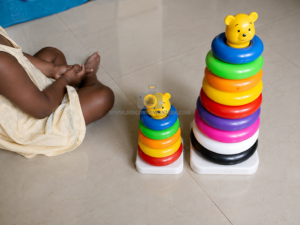
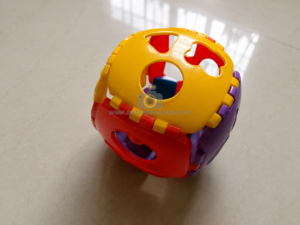
This is the stage when babies begin developing stronger visual awareness and cognitive skills. I feel it is helpful to introduce different colors as they start observing and becoming curious about the things around them.
Children usually learn colors when they start school, but why wait if they can begin recognizing and distinguishing them much earlier? One simple way to introduce colors is through different shapes, which gives them two concepts to observe at the same time.
4. Colorful Shape Sorter Toys
There are many types of shape-sorter toys available today, such as ring stackers, disc stackers and shape-sorter boards. You can introduce them gradually and allow your child to explore them at their own pace.
At this stage, your child may not be able to repeat the names of the colors verbally, but that doesn’t mean they aren’t absorbing them. Your role can simply be to show them the colors, say their names and repeat them regularly.
I used to do this with my daughter by showing her different shapes and colors. After a few weeks, when I asked her to pick the red one, she would confidently choose it. She still wasn’t able to say the word verbally at that stage, but she had already started understanding which color I was referring to.
That’s how early learning works sometimes—the child may understand long before they are able to say it.
Shapes can be slightly more challenging for little children to understand, but relating them to familiar objects around the house can make learning much more interesting.
And would you believe me if I told you that my daughter could distinguish between a pentagon and an octagon at just 15 months old? Yes, she could actually identify them and tell me their names.
As babies begin exploring different shapes, colors, and objects, these simple activities give them opportunities to observe, compare and understand the world around them. For me, it was fascinating to watch how these little exercises slowly became part of her everyday learning.
VOCABULARY AND READING TRAINING
15+ MONTHS ONWARD
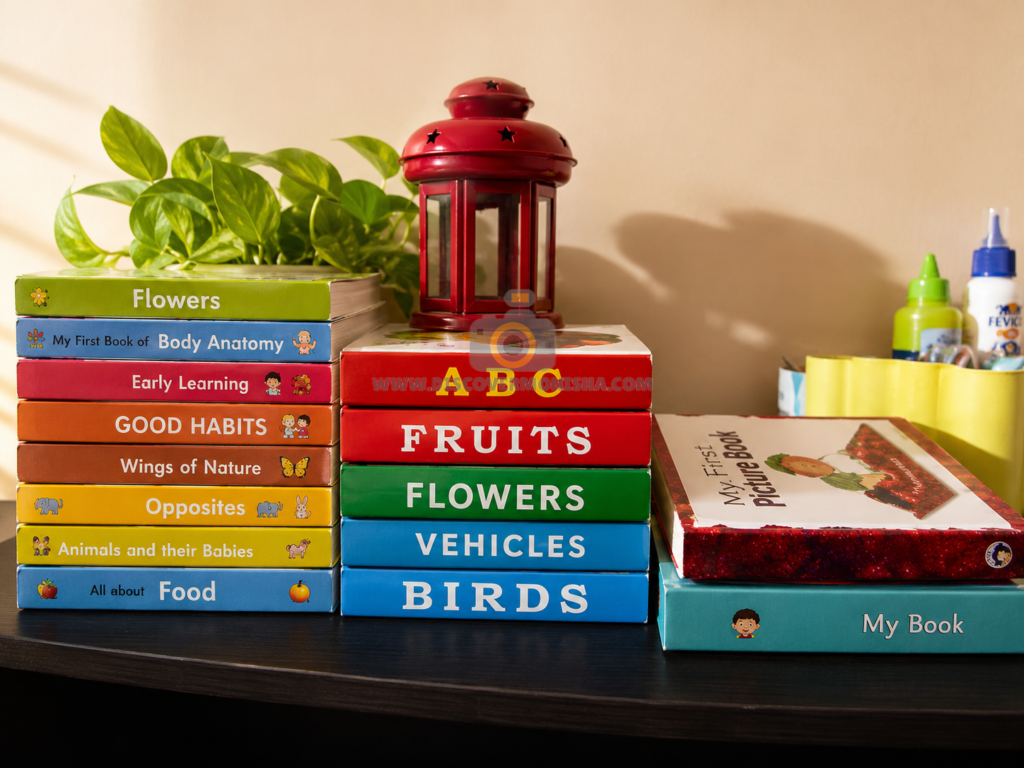
Babies can begin becoming familiar with words from a very early age. Some researchers suggest that babies can start recognizing and responding to words even around four months. You don’t necessarily have to sit down and formally teach them. You can simply recite words to them just as you would tell them a story.
Whether you write the word, spell it out, say it aloud or even introduce words from another language, babies are constantly listening and observing. Yes, babies are truly little wonders!
So, how do you introduce vocabulary and reading at this stage?
Don’t put them under pressure to learn. At this age, the idea is not to formally educate them but to make use of their natural curiosity and the time they spend exploring by introducing age-appropriate educational toys and activities.
Babies are excellent listeners and observers. Repetition, conversation and simple exposure can gradually help them become familiar with new words without making learning feel like a lesson.
Examples:
1. Point out familiar objects.
Point to everyday objects and ask them questions such as,
“Where is the baby’s bottle?” “Where is your teddy bear?” or “Where is your pillow?”
Repeating familiar words helps them connect the word with the object.
2. Sing and repeat words for fun.
Use songs and nursery rhymes to introduce words naturally. For example, while singing
“Twinkle, twinkle, little star,” point towards a star and repeat the word “star.”
There is no need to make it feel like a lesson—just make it fun.
3. Talk about the objects around them
Keep talking about familiar things during everyday activities. For example:
“Where is the baby’s bottle? Booo-boo has yummy milk in her bottle. Where is our bottle?”
Repeating the same word in different sentences helps them become familiar with it.
4. Make funny sounds
Children love sounds, so use them to make vocabulary more engaging. For example:
“The cow on the farm goes… mooooo!” or “The babies on the bus go… wan, wan, wan!”
The idea is simply to talk, repeat, sing and have fun. At this age, learning can happen naturally through everyday interactions.
5. Introducing Board Books
Board books have got it all. You can find it from any book store or online. It is very easy to handle this book both by ourselves and by kids. Board books have thick pages, bigger object and words that are shorter. Easier to read for them and to memorize. These books are specially designed, keeping in mind all the needs and convenience required from a baby’s point of view.
BUILDING BLOCKS
18 MONTHS ONWARD
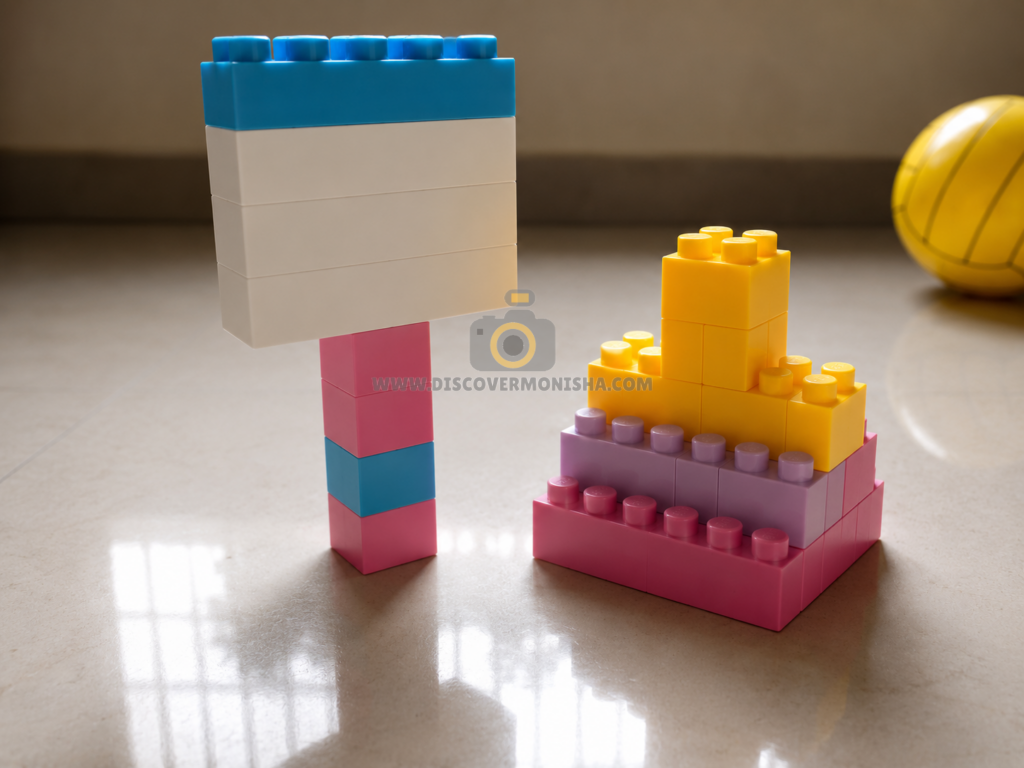
Building blocks help children develop an understanding of spatial relationships as they learn how different pieces fit together. As they experiment with the blocks and try to create different models, they naturally develop curiosity and begin exploring what they can make with their own ideas.
It can also encourage patience and perseverance. Children learn that they may not get the result they want on the first attempt, but they can keep trying until they achieve it.
My daughter used to create different things with her blocks. She made a cake model first and later created an ice cream popsicle model. Once children understand how the blocks work, the possibilities become endless, and that’s when the real fun begins!
By introducing toys like these, you are giving your child an opportunity to make their brain, hands, eyes and body work together. They gradually learn to use different parts of their body in different ways while turning their imagination into something they can actually see and touch.
6. Building blocks
Start with just five blocks initially and gradually increase the number as your child becomes more comfortable with them. Sit beside your child and show them how to stack the blocks, allowing them to try it on their own.
Pay attention to their tiny fingers while they are handling the blocks, especially when fitting two pieces together. Choosing the right size is important at this stage. I would recommend starting with larger blocks, as they are easier for little hands to hold and reduce the chances of their fingers getting pinched between pieces. As they grow and their coordination improves, you can gradually introduce smaller blocks.
From around 18 months onward, you can also begin introducing simple home-based learning beyond toys. This can include teaching basic moral values, kindness and an understanding of everyday behavior and ethics.
You can also check out my article on how I home-trained my toddler in early days using very simple methods and things available at home, along with some of the valuable concepts they can begin picking up at this stage.
BE PATIENT WHILE THEY LEARN.
Whenever we are helping our children understand something new, we need to be extremely patient with them. Whether it takes a few minutes or a few years, every child has their own pace of learning.
Never try to scare them or be unnecessarily strict with them while teaching. Giving them the freedom to understand things in their own time helps build their confidence and allows the learning to stay with them for much longer.
When a child learns because they genuinely understand something, they are more likely to remember it. But when learning is forced through fear or harshness, they may only remember it temporarily because they are afraid of what might happen if they don’t get it right.
There is a big difference between learning with confidence and learning out of fear.
As parents, we should always try to create more of the first.
ALL BABIES ARE BORN INTELLIGENT; IT’S UP TO THE PARENTS TO MOLD THEM TO BE A UNIQUE PERSON.
Check out my YouTube video here:

Good idea. Its 👌 useful for who are about to become mom first time and others too..
Really effective and positive way to teach the kids.
Now a days being a parent also is BiG Task 😂
Yes.. 😊
I believe this website has some really fantastic information for everyone. Well explained with supporting picture. we are working on rural education for our community near Rwanda and this article has helped me explore new approach to our rural community kids.
Happy to hear Bamidele.